
Dr Suraj Manjunath is a senior Surgical Oncologist at Apollo Hospitals who provides individualized Throat Cancer treatment in Bangalore. Treatment for pharyngeal cancer depends on whether the tumor affects the upper, middle, or lower throat and may involve surgery, radiation therapy, chemotherapy, or a combination of treatments planned by a multidisciplinary cancer care team.


Most pharyngeal cancers begin in the thin, flat cells lining the throat. These are known as squamous cell carcinomas.
The location where the cancer begins is important because each part of the pharynx has a different function and is surrounded by different structures.
Nasopharyngeal cancer develops behind the nose. It is close to the base of the skull, important nerves, and major blood vessels. Radiation therapy, often combined with chemotherapy, is usually the main treatment. Surgery is generally reserved for carefully selected persistent or recurrent cancers.
Oropharyngeal cancer can begin in the tonsils, base of the tongue, soft palate, or walls at the back of the throat. Some of these cancers are associated with human papillomavirus, commonly called HPV.
Selected early tumors may be removed through the mouth. Larger tumors may require a combination of treatments.
Hypopharyngeal cancer begins in the lower part of the throat, close to the voice box and esophagus. Because this area has space for a tumor to grow before producing clear symptoms, some cancers are diagnosed at a more advanced stage.
Treatment must balance cancer control with the preservation of swallowing, speech, and breathing whenever this can be achieved safely.

Being told that you may have throat cancer can bring many questions. You may be worried about whether you will need surgery, whether you will be able to swallow normally, or whether treatment could affect your voice.
These are understandable concerns.
I am Dr. Suraj Manjunath, a Surgical Oncologist in Bangalore, associated with Apollo Hospitals, Bannerghatta Road and Apollo Hospitals, Sarjapur Road.
The term “throat cancer” is broad. On this page, it refers specifically to cancers of the pharynx—the muscular passage that connects the nose and mouth to the swallowing and breathing pathways. It does not refer specifically to cancer of the voice box, which is known as laryngeal cancer.
The pharynx has three parts:
Nasopharynx: The upper part behind the nose
Oropharynx: The middle part behind the mouth, including the tonsil area and base of the tongue
Hypopharynx: The lower part of the throat, leading toward the esophagus
Treatment can be very different for cancers in these three areas. Surgery may be an important treatment for certain oropharyngeal or hypopharyngeal cancers, but it is usually not the first treatment for nasopharyngeal cancer.
When you consult me as a Throat Cancer Surgeon in Bangalore, my role is to explain these differences, review your reports, and help you understand which treatment approach is appropriate for your specific condition.
This page will help you understand the condition, diagnosis, treatment options, surgery, reconstruction, recovery, and the factors influencing the cost of treatment.

+

+

+

+

The symptoms of pharyngeal cancer depend on the part of the throat involved. Many of these symptoms can also be caused by noncancerous conditions. However, symptoms that persist or progressively worsen should not be ignored.
Possible warning signs include:
A neck lump may sometimes be the first noticeable sign. This can happen when cancer cells spread to lymph nodes in the neck, even when the original throat tumor is still small.
Seek urgent medical attention if you develop increasing breathing difficulty, cough up significant blood, cannot swallow liquids, or become dehydrated.

Treatment planning usually begins with a detailed medical history and examination. The doctor examines the mouth, throat, tongue, tonsils, neck, and lymph nodes.
A thin flexible camera may be passed gently through the nose to inspect areas that cannot be seen during a routine examination. This is called a flexible nasoendoscopy or laryngoscopy.
A biopsy removes a small tissue sample from the suspicious area. A pathologist examines the tissue under a microscope to confirm whether it is cancerous and determine its type.
If there is a neck lump, a needle test may be performed to collect cells from the lymph node.
For an oropharyngeal cancer, the biopsy tissue may be tested for a marker called p16. This helps determine whether the cancer is likely to be related to HPV. HPV-associated oropharyngeal cancers can behave differently from cancers primarily associated with tobacco and alcohol.
In selected nasopharyngeal cancers, testing related to the Epstein-Barr virus may also provide useful information.
Imaging may include:
These tests help determine the tumor’s size, involvement of nearby structures, lymph-node spread, and whether cancer has reached another part of the body.
The team may also assess:
I review these findings together rather than making a recommendation from one report alone.
Pharyngeal cancer treatment should be planned by a multidisciplinary team experienced in head and neck cancer. The team may include a surgical oncologist, head and neck surgeon, radiation oncologist, medical oncologist, radiologist, pathologist, reconstructive surgeon, speech and swallowing therapist, dentist, and dietitian.
The principal treatments include:


The final plan depends on the cancer’s location and stage, HPV status where relevant, previous treatment, general health, swallowing ability, and the likely functional outcome of each option.
Request a multidisciplinary review to understand which combination of treatments is suitable for you.
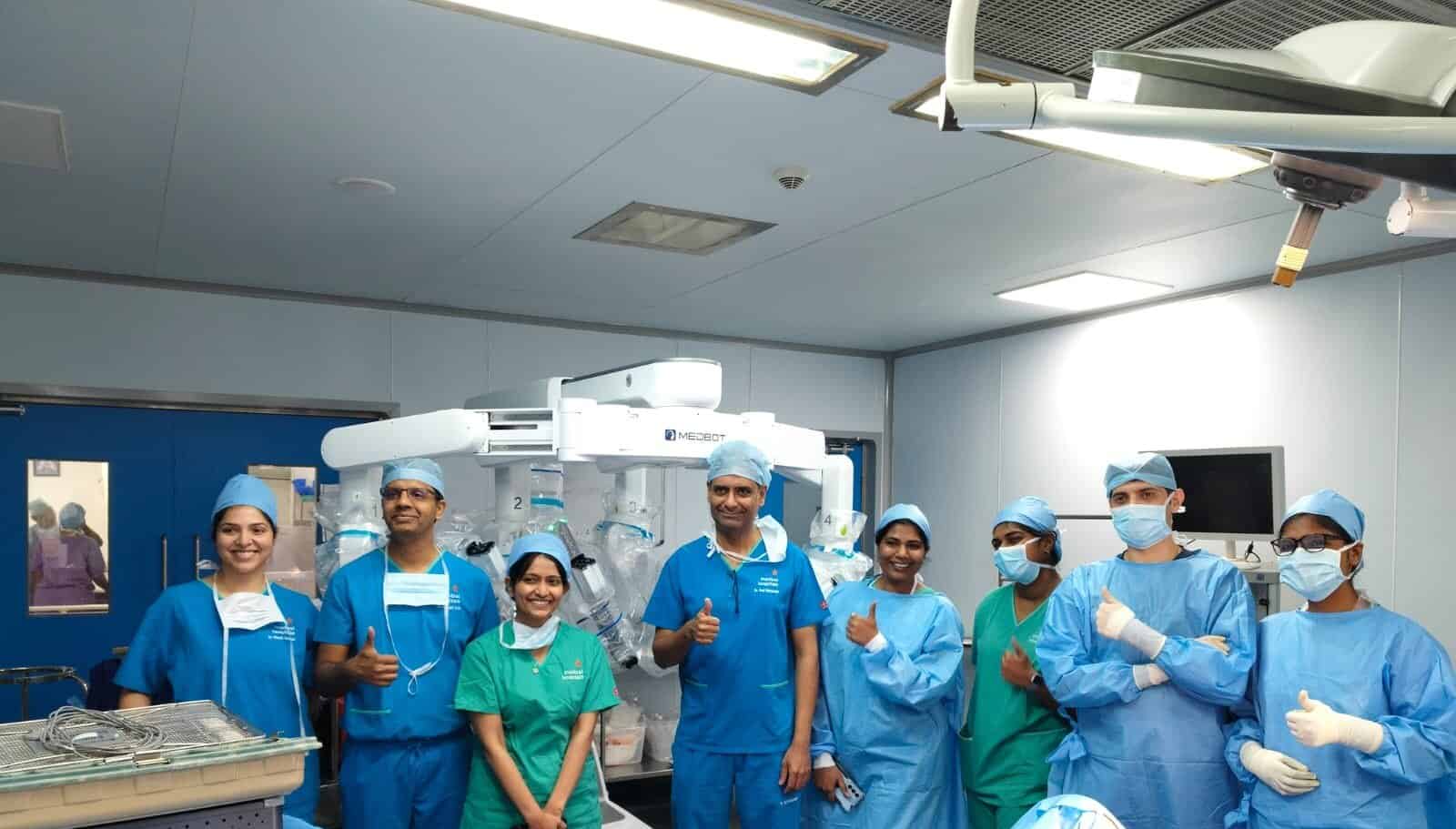
There is no single operation called “throat cancer surgery.” Different procedures are used for different parts of the pharynx.
Certain small, accessible tumors may be removed through the mouth. Depending on the location and available expertise, the surgeon may use conventional instruments, a laser, an endoscope, or robotic assistance.
This approach avoids a large external incision and may support faster recovery in properly selected patients. It is not suitable for every tumor.
An oropharyngectomy removes part of the oropharynx, such as tissue from the tonsil region or base of the tongue. The extent of removal depends on the tumor.
A partial pharyngectomy removes the affected portion of the pharynx while preserving as much normal tissue as is safely possible.
For an advanced tumor involving both the lower pharynx and voice box, it may be necessary to remove part or all of these structures. When the entire voice box is removed, breathing takes place through a permanent opening in the neck called a stoma.
Before recommending such an operation, I explain the expected changes in speech, swallowing, breathing, and daily life.
Throat cancers frequently spread to lymph nodes in the neck. A neck dissection removes lymph nodes and surrounding tissue that may contain cancer.
The extent of surgery depends on which lymph-node groups are involved. Important nerves, blood vessels, and muscles are preserved whenever this is oncologically safe.
After removal of a larger tumor, reconstruction may be required to restore the throat’s shape and support swallowing. Tissue can be transferred from another part of the body to rebuild the surgical area.
Some patients may temporarily need a feeding tube while the throat heals. A temporary tracheostomy may be required to protect the airway. Whether these are needed depends on the extent of surgery and the patient’s swallowing and breathing function.

Patients often ask whether robotic or laparoscopic surgery can be used for throat cancer.
Transoral robotic surgery, or TORS, may be an option for selected tumors in the oropharynx. The surgeon operates through the mouth using a magnified camera and narrow robotic instruments.
Potential advantages for suitable patients may include:
TORS is not appropriate when the tumor is too large, involves important blood vessels, extends deeply into nearby structures, or cannot be removed with safe margins.
Selected superficial tumors may be removed using an endoscope or laser passed through the mouth. Suitability depends on the tumor’s visibility, depth, and location.
Laparoscopic surgery is designed mainly for the abdomen and is generally not used to remove a primary pharyngeal tumor. The relevant minimally invasive approach for selected throat cancers is usually transoral endoscopic, laser, or robotic surgery.
Open surgery may be necessary when a tumor is large, difficult to reach through the mouth, or involves the lower throat, voice box, major vessels, or surrounding tissues.
An open operation may also provide better access for reconstruction. Choosing open surgery does not mean that treatment is less advanced. In some situations, it is the safest and most effective approach.

Before the operation, I explain what will be removed, whether lymph nodes require treatment, and whether reconstruction is expected.
Preparation may include:
Improving nutrition and physical strength before major surgery may help recovery.
The length of stay depends on the type of surgery and reconstruction. During the early recovery period, the team monitors the airway, wound, swallowing, pain control, nutrition, and signs of infection.
Some patients may initially receive nutrition through a tube while the throat heals.
Recovery varies considerably. A limited transoral operation may allow a quicker return to routine activities than open surgery with reconstruction.
After discharge, patients may need:
The Recovery After Cancer Surgery guidance can help patients and families prepare for this period.
The final biopsy report tells us:
The report is usually discussed by the treating team before recommendations for radiation or chemotherapy are finalized.
Some patients experience persistent changes in swallowing, taste, saliva, speech, or voice. Rehabilitation is not an optional extra—it is an important part of recovery and should begin at the appropriate time.

It is not possible to estimate the Cost of Throat Cancer Surgery in Bangalore accurately without reviewing the diagnosis and proposed procedure.
The overall cost may depend on:
Surgery is only one part of the possible treatment cost. Some patients may also require radiation therapy, chemotherapy, dental care, nutritional support, or rehabilitation.
After reviewing the biopsy, scans, and proposed treatment, the hospital team can provide a more individualized estimate. Patients should also check insurance authorization and inclusions before admission.

I currently consult at:
These centers provide access to comprehensive cancer care within a well-equipped hospital environment, supporting multidisciplinary treatment, investigations, and post-operative care when required.
Consultation timings and appointment details can be arranged through phone or WhatsApp for convenience.

This page has been written and medically reviewed under the guidance of Dr. Suraj Manjunath, Senior Surgical Oncologist at Apollo Hospitals, Bannerghatta Road, Bangalore.
The information has been reviewed for medical accuracy, patient clarity, and relevance to cancer surgery decision-making. Cancer treatment is always personalized and depends on factors such as the type of cancer, stage or spread of disease, overall health, co-morbidities, test results, and treatment goals.
The information is meant for patient education and should not replace an in-person consultation, diagnosis or personalized treatment plan.
Consultation Locations: Apollo Hospitals, Bannerghatta Road & Sarjapur Road, Bangalore.
Last reviewed: September 2026
