


DR. SURAJ MANJUNATH Logo

Surgical Oncologist in Bangalore

Consultant Surgical Oncologist | Robotic & Minimal Access Cancer Surgeon
Clear guidance, advanced cancer surgery, and compassionate care for patients and families facing difficult decisions..
Dr. Suraj Manjunath is associated with Manipal Hospital, Old Airport Road and Manipal Hospital, Millers Road, Bangalore. He offers robotic, laparoscopic, and open cancer surgery based on what is safest and most appropriate for each patient.
Indian Doctor Vertical 650 x 900

Surgical Oncologist in Bangalore

Consultant Surgical Oncologist | Robotic & Minimal Access Cancer Surgeon
Clear guidance and evidence-based care for patients facing complex cancer decisions.
  • 25+ Years of Experience
  • Robotic and Minimal Access Cancer Surgery
  • Former Professor and HOD Surgical Oncology

Surgical Oncologist in Bangalore

Consultant Surgical Oncologist | Robotic & Minimal Access Cancer Surgeon
Clear guidance and evidence-based care for patients facing complex cancer decisions.
  • 25+ Years of Experience
  • Robotic and Minimal Access Cancer Surgery
  • Former Professor and HOD Surgical Oncology

+

Happy Patients

+

Cancer Surgeries

+

Yrs Experience

+

5* Google Reviews

Meet Your Trusted Surgical Oncologist in Bangalore

Dr Suraj Manjunath

Surgical Oncologist in Bangalore
A cancer diagnosis can bring fear, confusion, and many questions. Patients often wonder what happens next, whether surgery is necessary, what options are available, and whom they can trust to guide them.

As a surgical oncologist, my role is not only to perform cancer surgery, but also to help you understand your condition clearly, explain treatment options in a straightforward manner, and guide you toward the right decision with confidence.

I am Dr Suraj Manjunath, Consultant Surgical Oncologist, with over 25 years of experience in cancer surgery, including robotic and minimally invasive techniques. I am associated with Manipal Hospital, Old Airport Road and Millers Road, Bangalore.

I treat a wide range of cancers and offer robotic, minimal access (laparoscopic, thoracoscopic, endoscopic), and open surgical approaches, depending on what is safest and most appropriate for each patient.

Whether you are newly diagnosed, seeking a second opinion, or exploring the best surgical option for yourself or a loved one, this website is designed to help you take the next step with clarity and confidence.
Dr Suraj Manjunath

Cancers Treated

Comprehensive surgical care for cancers across multiple organ systems.
As a surgical oncologist in Bangalore, I manage a wide range of cancers involving different parts of the body. While each cancer requires an individualised approach, the focus remains consistent - to achieve complete oncologic clearance where surgery is indicated, preserve function whenever possible, and support optimal recovery.

With experience in both conventional and minimally invasive techniques, including robotic surgery, treatment is tailored to each patient’s condition and overall needs.
Indian Middle Aged Male - Cancer Survivor

GI & Abdominal Cancers

This includes cancers involving the stomach, colon, rectum, liver, pancreas, and other abdominal organs. Some of these surgeries are complex, and careful planning is important not only for the operation itself but also for recovery, nutrition, and long-term follow-up.
Women after Breast Cancer Surgery

Breast Cancers

Breast cancer surgery is not just about removing a lump or the breast. It is about choosing the approach that gives the safest treatment while also considering body image, confidence, and quality of life. Where appropriate, breast-conserving options may be possible.
Indian Women - Gynecological Cancer

Gynecological Cancers

This includes cancers involving the stomach, colon, rectum, liver, pancreas, and other abdominal organs. Some of these surgeries are complex, and careful planning is important not only for the operation itself but also for recovery, nutrition, and long-term follow-up.
Smiling Indian Male After Cancer Surgery

Head & Neck Cancers

This includes cancers involving the mouth, tongue, thyroid, neck region, and related structures. These cancers often need careful planning because treatment must not only remove the tumor, but also consider speech, swallowing, appearance, and long-term function.
Senior Indian Lady

Thoracic Cancers

This includes lung cancers and selected chest-related tumors that may require complex evaluation and specialist surgical care. In the right situations, advanced approaches may help reduce the impact of surgery and support recovery.
Indian Male - Cancer Survivor

Urologic Cancers

This includes cancers of the kidney, bladder, prostate, adrenal gland, testis & related structures. Treatment planning depends on the organ involved, stage of disease and whether surgery is needed as the main treatment or part of a larger cancer care plan.
Indian Male 20 25 years

Soft Tissue & Bone Tumors

These tumors can arise in muscles, fat, connective tissues or bones and often need careful planning before surgery. Because these are less common and sometimes complex, accurate diagnosis and specialist surgical judgment are especially important.
Indian Lady 35 40 years

Endocrine Tumors

Endocrine cancers (thyroid, parathyroid, adrenal, etc.) affect glands that produce hormones and may need surgery depending on the diagnosis and behavior of the tumor. Treatment is guided by the type of gland involved, scan findings, biopsy results and overall clinical picture.
For some patients, surgery is the first and most important step in treatment. For others, it is one part of a broader plan that may include chemotherapy, radiation therapy, or targeted treatments. The appropriate approach depends on the type of cancer, its stage, its location, and the patient’s overall health.

One of the most common questions patients ask is:
“Does every cancer need surgery?”

The answer is no. Not all cancers require surgery, and not every patient benefits from the same approach. Careful evaluation is essential to determine the most appropriate treatment.

In some situations, surgery offers the best chance of cure. In others, it is part of combined treatment. In certain cases, it may not be the first step at all. The goal is to identify the right strategy for each individual patient.

This website includes dedicated pages for the major cancers treated in my practice, to help patients better understand their condition and the role surgery may play in their care.

If you are unsure whether surgery is needed in your case, seeking a second opinion can help clarify the best course of action.

The Right Surgical Approach

Robotic, laparoscopic, and open cancer surgery - chosen based on the specific requirements of each case.
When I recommend surgery, the approach is tailored to the individual patient. There is no single method that suits all situations. The choice of technique depends on the type of cancer, its location, its stage, and the patient’s overall condition.

The priority is always to ensure safe, effective cancer removal while preserving function wherever possible and supporting optimal recovery.
Robotic surgery icon

Robotic Surgery

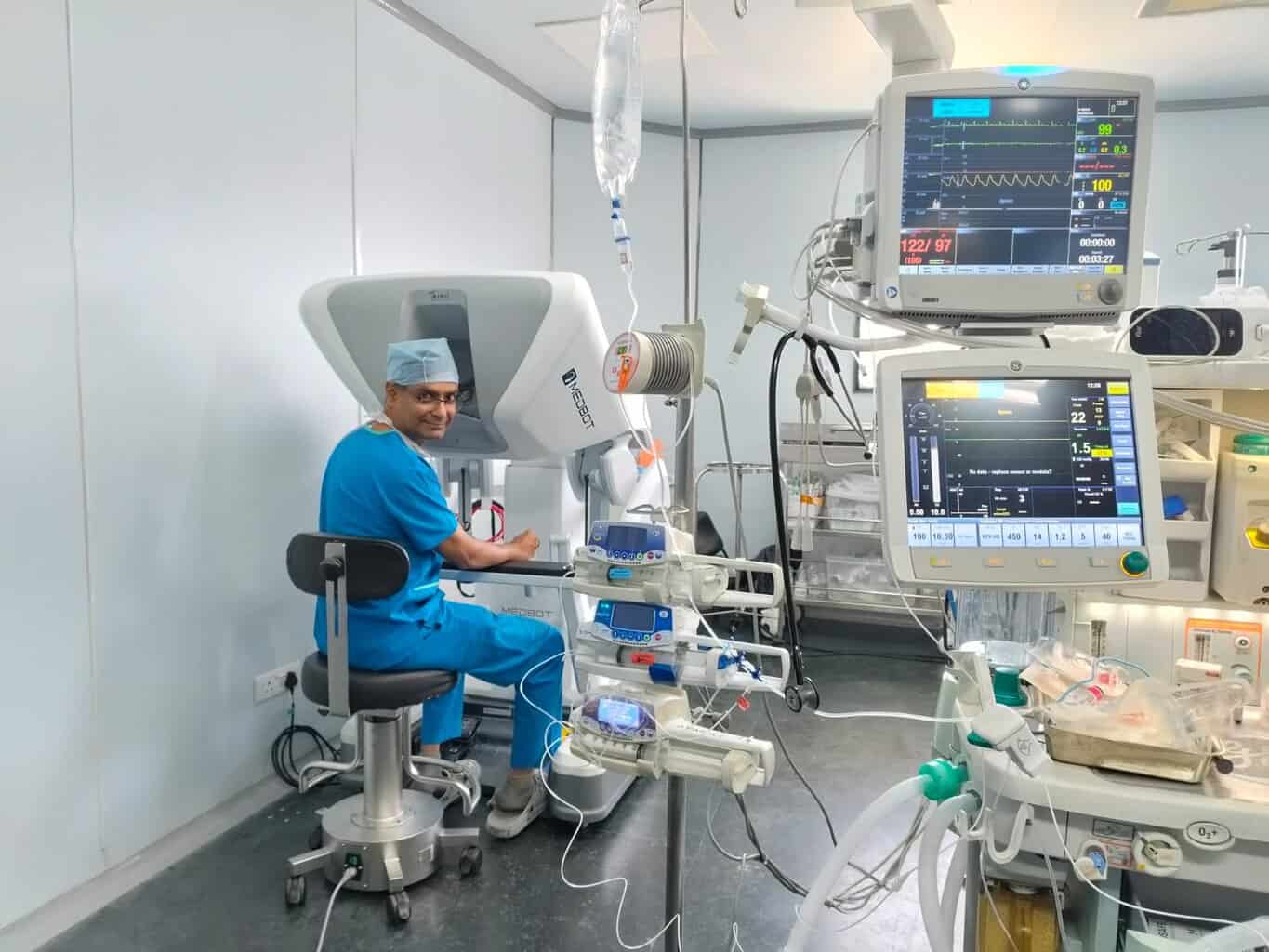
For selected cancers, I may recommend robotic surgery, which allows me to operate through small openings with a high level of control and precision. In the right patient, this can mean less pain, smaller scars, fewer days in the hospital, and a faster return to daily life.
Laparoscopic surgery icon

Laparoscopic Surgery

For selected cancers, I may recommend robotic surgery, which allows me to operate through small openings with a high level of control and precision. In the right patient, this can mean less pain, smaller scars, fewer days in the hospital, and a faster return to daily life.
Open Surgery icon

Open Surgery

In some cases, open surgery remains the safest and most effective option. A good cancer operation is not about choosing the newest method every time. It is about choosing the method that gives the best result for the cancer and for the patient.
My role is to recommend the surgical approach that is right for your condition, not simply the one that sounds most advanced.

Robotic Surgery

For selected cancers, I may recommend robotic surgery, which allows me to operate through small openings with a high level of control and precision. In the right patient, this can mean less pain, smaller scars, fewer days in the hospital, and a faster return to daily life.

Laparoscopic Surgery

I also use laparoscopic or keyhole surgery in suitable situations. This approach may be useful in certain abdominal and gastrointestinal cancers and can help support quicker recovery when it is appropriate for the disease.

Open Surgery

In some cases, open surgery remains the safest and most effective option. A good cancer operation is not about choosing the newest method every time. It is about choosing the method that gives the best result for the cancer and for the patient.
Noun lungs cancer 7341255 1F509A

Thoracoscopic Surgery

Thoracoscopic surgery uses small incisions and a camera-guided approach to treat certain cancers inside the chest (selected lung, esophageal, mediastinal and thymic tumors.) In selected patients, it may help reduce pain, shorten recovery time and support faster return to routine activities.
My role is to recommend the surgical approach that is right for your condition, not simply the one that sounds most advanced.

The Role of Minimally Invasive Surgery

When patients hear terms such as robotic or laparoscopic surgery, they often wonder whether these simply represent fashionable newer technologies or whether they offer meaningful clinical benefit.

In appropriately selected patients, these techniques can provide significant advantages.
Surgery through small openings can help reduce the physical stress of the operation. For many patients, this means:
Key Hole Surgery
Small Cuts. Small Scar.
Less Blood Loss.
hospital bed icon
Short Hospital Stay
Lower Hospitilization Bills
Less pain smile icon
Less Pain & Discomfort
Faster return to normal activities
Fast healing icon

Faster Healing

Get back your lifestyle
What is important to understand is that these benefits are meaningful only when surgery is performed safely and when oncologic principles are not compromised.

In cancer surgery, the goal is not simply a smaller incision. The priority is complete and appropriate cancer treatment - achieving adequate margins, proper nodal assessment where required, and the best possible oncologic outcome.

When I recommend robotic or laparoscopic surgery, it is because it is both technically appropriate and oncologically sound for the patient.

If a larger open procedure is likely to be safer or more effective, I will advise that clearly. Good cancer care depends on making the right decision for each individual patient.

The choice of surgical approach is always guided by what offers the best long-term outcome, not by the technique alone.

Why Patients Choose Dr. Suraj Manjunath

Not only for advanced surgery, but for judgment, communication, and confidence through the treatment journey.
Advanced surgical expertise, combined with clear judgment and thoughtful communication throughout the treatment journey.

Patients and families often value not only the surgery itself, but also the clarity with which their treatment plan is explained.

A cancer diagnosis can be overwhelming. Patients may arrive with multiple reports, differing opinions, and uncertainty about the next step. In such situations, what is most helpful is not more information, but clear explanation and experienced clinical judgment.

Patients often choose to consult me because they are looking for:

  • A surgeon with focused experience in cancer surgery
  • Expertise in robotic, laparoscopic, and open surgical techniques
  • Clear explanation of diagnosis and treatment options
  • A balanced and objective second opinion
  • Care within a well-established hospital setting in Bangalore
  • An approach that combines academic rigor with practical patient care

I take the responsibility of that trust seriously.

Whether the surgery is straightforward or complex, I believe patients deserve honesty. If surgery is necessary, I will explain why. If there are options, I will discuss them clearly. If there are limitations, I will address them openly. If another step is required before surgery, that will be explained as well.

This clarity, combined with careful decision-making, is often what gives patients the confidence to move forward.

Consultation Locations in Bangalore

Convenient access to specialist cancer surgery care at established hospital centres.

I currently consult at:

  • Manipal Hospital, Old Airport Road, Bangalore
  • Manipal Hospital, Millers Road, Bangalore

These centres provide access to comprehensive cancer care within a well-equipped hospital environment, supporting multidisciplinary treatment, investigations, and post-operative care when required.

For many patients and families, the hospital setting plays an important role. Cancer care often involves more than one specialist and more than one step. The ability to coordinate consultations, imaging, pathology review, surgery, and recovery within an organised system helps make the process clearer and more manageable.

If you are travelling from within Bangalore, from elsewhere in Karnataka, or from outside the state, our team will assist you with appointments and guide you through the next steps.

Consultation timings and appointment details can be arranged through phone or WhatsApp for convenience.

Second Opinion for Cancer Surgery

If you have been advised surgery and would like clarity before proceeding, a second opinion can help you make an informed decision with confidence.

Many patients hesitate to seek a second opinion because they worry it may delay treatment or create confusion. In practice, it often does the opposite - it helps bring clarity.

A second opinion may be particularly useful if:

  • You have been advised a major or complex surgery
  • You would like to understand whether alternative surgical options exist
  • You want to explore the possibility of minimally invasive or robotic surgery
  • You are unsure whether surgery is required at this stage
  • You would like greater confidence before proceeding with treatment

When you come for a second opinion, the aim is not to question or criticise another doctor’s recommendation. The focus is to carefully review your reports, understand the complete clinical picture, and help you make a clear and informed decision.

In many cases, the original treatment plan is appropriate, and that will be confirmed. In other situations, there may be alternative options worth considering. In either case, clarity is valuable.

A well-informed decision is an important part of good cancer care.

What Patients Say

Real experiences reflecting trust, clarity, and care during challenging times.
A cancer diagnosis can be one of the most difficult moments for patients and their families. During such times, what matters most is not only surgical expertise, but also clear communication, honest guidance, and reassurance throughout the treatment journey.

Here are a few words shared by those who have placed their trust in Dr Suraj Manjunath.
Girish Tejas Raghav
Shivaramu B V
Jeffrey Martins
Nirmala Rao

Frequently Asked Questions

Common questions patients ask before meeting a surgical oncologist in Bangalore.

A surgical oncologist is a doctor who treats cancer through surgery. This may involve removing the tumor, nearby affected tissue, and sometimes lymph nodes, depending on the type and stage of cancer.

You should consult a surgical oncologist if you have been diagnosed with cancer and surgery is being considered, or if you have been advised to seek a specialist opinion regarding cancer surgery.

No. Some cancers are best treated with surgery, while others may need chemotherapy, radiation, or a combination of treatments. The decision depends on the type, stage, and location of the cancer.

Not always. In selected cases, robotic or laparoscopic surgery can help with faster recovery and less pain. But in other cases, open surgery may be the safer and more effective option. The right approach depends on the condition.

Yes, and in many cases it is helpful. A second opinion can give you more clarity about the diagnosis, treatment plan, and available surgical options before you proceed.

Dr. Suraj treats a wide range of cancers, including breast, gastrointestinal, head and neck, esophageal, thyroid, liver, pancreatic, colon, rectal cancers and more.

We Are Here to Help

If you need clarity, guidance, or a surgical opinion, the next step begins with the right conversation.

Whether you are newly diagnosed, have already been advised surgery, or are seeking a second opinion, you do not have to navigate these decisions alone.

My aim is to help you understand your condition clearly, explain the available options, and guide you toward the treatment approach that is most appropriate for your situation.

A clear understanding of your condition is the first step toward making the right decision.
Disclaimer Statement : The information published on this website is generic in nature and the results vary from case to case basis. The contents of the website is not meant to replace an in-person consultation. Please follow the advise of your doctor via in-person consultation. This website will not assume any legal responsibility for the patient’s medical condition.
© 2026 Dr Suraj Manjunath. All Right Reserved.