Dr Suraj Manjunath Website Logo

Gynecological Cancer Surgeon in Bangalore

If you are seeking a trusted expert for gynecological cancer surgery in Bangalore, Dr Suraj Manjunath offers deeply compassionate care at Apollo Hospitals. He delivers specialized gynecological cancer treatment covering uterine, cervical, ovarian, vaginal and vulvar malignancies. Please select from the specialized topics below to learn more about your specific cancer care.

Dr Suraj Manjunath 2 650 X

What Are Gynecologic Cancers?

These are cancers that affect the female reproductive organs.
What are gynecological cancers

Gynecological cancers are a group of cancers that arise from organs related to the female reproductive system. These organs include the uterus, cervix, ovaries, fallopian tubes, vulva and vagina.

Each cancer behaves differently. For example, uterine cancer may present with abnormal bleeding, ovarian cancer may cause abdominal swelling or bloating, and cervical cancer may be detected through screening or symptoms such as bleeding after intercourse.

Because these cancers involve sensitive organs and important functions, treatment needs careful planning. Surgery must not only remove the cancer safely but also consider the patient’s overall health, recovery, fertility concerns where relevant, and long-term quality of life.

Specialist care matters because cancer surgery is different from routine gynecological surgery.

Schedule a Gynecologic Cancer Evaluation.

Your Trusted Gynecologic Cancer Surgeon in Bangalore

Dr Suraj Manjunath 1 512 X

Dr Suraj Manjunath

Senior Consultant - Surgical Oncologist

MBBS, MS (Gen Surgery), MCh (surgical oncology), Detroit Fellowship in Surgical Oncology and Minimally Invasive Surgery, SSO (Society of Surgical Oncology, USA) - Visiting Fellowship
Personal Note from Dr Suraj Manjunath

I understand how difficult it can be when you or a loved one is diagnosed with gynecological cancer. There may be fear, confusion, and many questions about treatment, surgery, recovery and the future.

I am Dr. Suraj Manjunath, a Surgical Oncologist in Bangalore, associated with Apollo Hospitals, Bannerghatta Road and Apollo Hospitals, Sarjapur Road.

My role is to help you understand your diagnosis clearly and guide you toward the most appropriate treatment plan. Gynecological cancer surgery may involve robotic surgery, laparoscopic surgery, minimally invasive surgery or open cancer surgery, depending on the type, stage and complexity of the disease.

Not every patient needs the same treatment. My goal is to carefully evaluate your reports, explain your options in simple language, and help you take the next step with confidence.

This page will help you understand what gynecological cancers are, when surgery is needed, what treatment options may be considered, and when you should consult a Gynecological Cancer Surgeon in Bangalore.

We will walk through this together step by step.

Dr Suraj Manjunath

+

Happy Patients

+

Cancer Surgeries

+

Yrs Experience

+

5* Google Reviews

Common Gynecologic Cancers

This hub page helps you understand the major cancers that fall under Gynecologic cancer care.
Each cancer needs a different treatment plan. Understanding the type of cancer is the first step.
Smiling Indian Woman in a Saree

Ovarian Cancer

Ovarian cancer can be more difficult to detect early because symptoms may be vague. Patients may experience bloating, abdominal discomfort, swelling, reduced appetite or changes in bowel habits.

Treatment often involves a combination of surgery and chemotherapy. In advanced ovarian cancer, a procedure called cytoreductive surgery may be needed to remove as much visible cancer as possible.

Some patients may also require HIPEC in selected situations.

Learn More About Ovarian Cancer
Happy Indian Woman

Uterine Cancer

Uterine cancer usually begins in the lining of the uterus, also called the endometrium.

It often presents with abnormal bleeding, especially after menopause. Many patients are diagnosed early because bleeding brings attention to the problem.

Minimally invasive approach such as Robotic / Laparoscopic surgery is commonly used, and may include removal of the uterus, ovaries, fallopian tubes and sometimes lymph node assessment.

You can learn more on the individual page for uterine cancer surgery.

Learn More About Uterine Cancer
Indian Women - Gynecological Cancer

Cervical Cancer

Cervical cancer begins in the cervix, which is the lower part of the uterus.

It may be detected through screening tests or may present with abnormal vaginal bleeding, bleeding after intercourse or discharge.

Treatment depends on the stage. Early cervical cancers may be treated with surgery, while more advanced cases may need radiation and chemotherapy.

A careful evaluation helps decide whether surgery is the right first step.

Learn More About Cervical Cancer
Senior Indian Lady

Vulvar Cancer

Vulvar cancer affects the outer part of the female genital region.

Symptoms may include a persistent lump, ulcer, itching, pain, bleeding or a non-healing wound.

Surgery is often an important part of treatment, but the extent of surgery depends on the size, location and spread of the disease.

The aim is to remove the cancer completely while preserving function and appearance as much as possible.

Learn More About Vulvar Cancer
Indian Village Woman

Vaginal Cancer

Vaginal cancer is relatively uncommon.

Symptoms may include abnormal bleeding, discharge, pain or a lump.

Treatment may include surgery, radiation therapy or chemotherapy, depending on the stage and location of the tumor.

Because it is less common, evaluation by a cancer specialist is important to choose the safest and most effective treatment plan.

Indian Lady 35 40 years

Fallopian Tube & Peritoneal Cancers

Some cancers arise from the fallopian tubes or the lining of the abdomen, called the peritoneum.

These cancers may behave similarly to ovarian cancer and are often treated in a similar way.

Surgery may involve removal of affected tissues from different areas of the abdomen.

Treatment planning usually requires coordination between surgery and chemotherapy.

Need a Second Opinion for Gynecologic Cancer Surgery?

Get clarity on your diagnosis, treatment plan, and whether surgery is the right next step.

How Gynecological Cancer Treatment Is Planned

The right treatment depends on the type, stage and spread of cancer.

Gynecological Cancer Treatment in Bangalore should begin with a clear diagnosis and proper staging. Staging means understanding how far the cancer has spread. This helps decide whether surgery, chemotherapy, radiation therapy or a combination of treatments is needed.

The treatment plan may involve:

Reviewing biopsy reports
Studying scans such as CT, MRI or PET-CT
Assessing tumor markers where relevant
Understanding the patient’s fitness for surgery
Evaluating whether cancer is limited or has spread via Staging
Discussing the case in a multidisciplinary setting when required

For some patients, surgery is the first and main treatment. For others, chemotherapy or radiation may be needed before surgery. In certain advanced cases, surgery may be planned only after the cancer responds to initial treatment.

My role is to explain why a particular treatment sequence is recommended and what each step means for the patient.
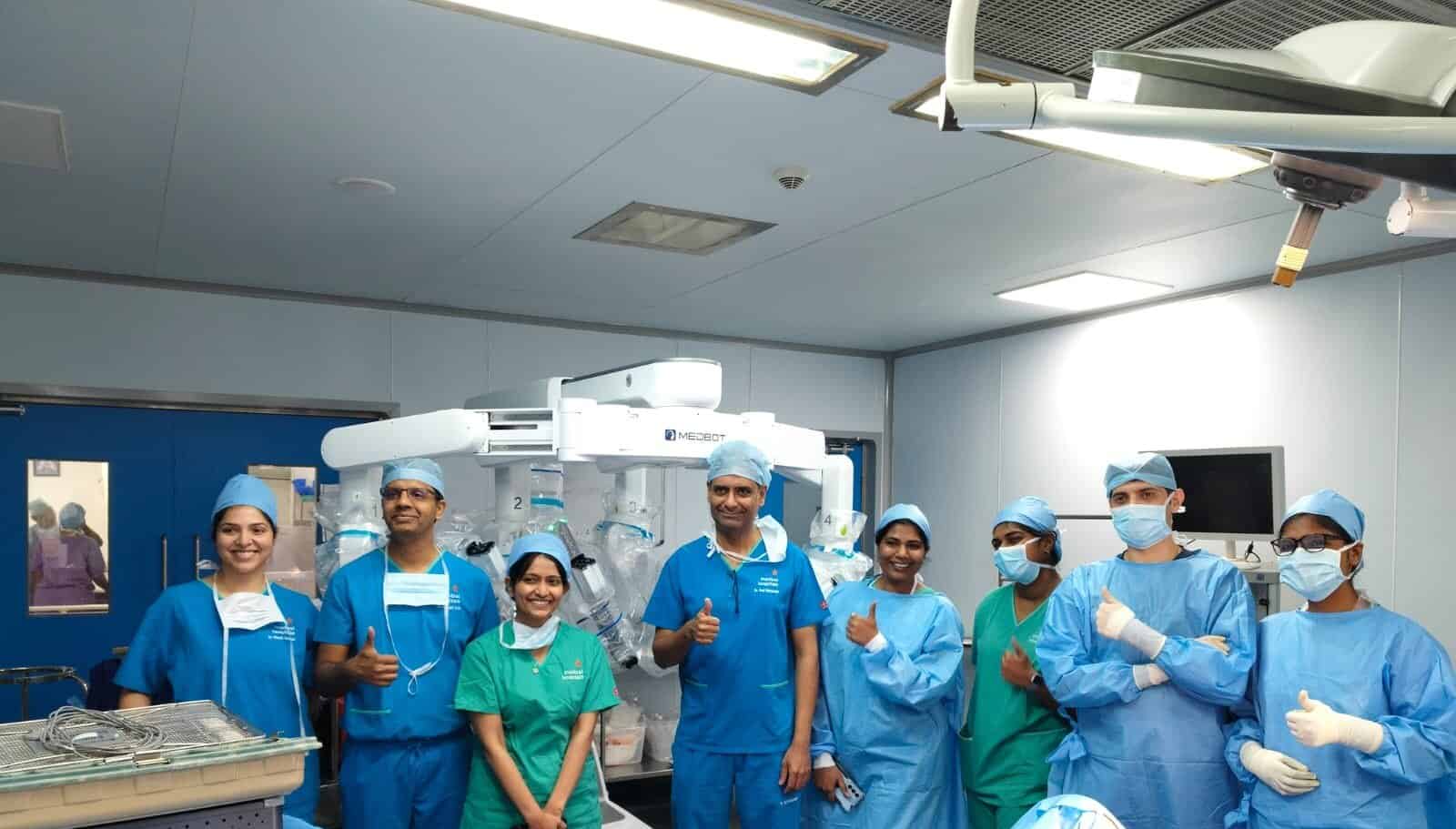
Bring your reports for a structured treatment review and a clear explanation of the next best step.

Surgical Approaches Used for Gynecological Cancers

The approach is selected based on safety, cancer control and patient recovery.
Different surgical approaches may be used for gynecological cancers. The choice depends on the cancer type, stage, tumor size, previous surgeries, patient fitness and whether the disease has spread.

Robotic Surgery
Robotic surgery may be suitable for selected gynecological cancers, especially some early-stage uterine cancers and carefully selected pelvic surgeries. It allows precise movement, better visualization and smaller incisions. For the right patient, this may support faster recovery and reduced pain. However, robotic surgery is recommended only when it is safe and oncologically appropriate.

Laparoscopic Surgery
Laparoscopic surgery uses small cuts and a camera to perform surgery inside the abdomen. It may be useful in selected cases where minimally invasive surgery is safe. It can reduce wound-related discomfort and help patients recover faster. But cancer clearance remains the priority, not just smaller incisions.

Open Surgery
Open surgery may be needed when the cancer is large, complex, advanced or involves multiple areas. In ovarian cancer, for example, open surgery is often required for extensive cytoreductive surgery. Open surgery allows direct access and may be the safest option when complete cancer removal is the goal.

Minimally Invasive Cancer Surgery
Minimally invasive surgery includes robotic and laparoscopic techniques. These approaches can benefit selected patients, but they are not suitable for everyone. I always explain why a particular approach is recommended and what the alternatives are.

Find out which surgical approach may be suitable for your condition after a detailed evaluation.

Book A Consultation With Dr Suraj in Bangalore

Convenient access to specialist cancer surgery care at established hospital centres.
Dr Suraj Manjunath Website Consulting in his cabin

I currently consult at:

  • Apollo Hospitals, Bannerghatta Road, Bangalore
    (Monday to Friday: 9 am to 1 pm)
    Address: Apollo Hospitals, Opposite IIM, 154/11, Bannerghatta Rd, Krishnaraju Layout, Amalodbhavi Nagar, Panduranga Nagar, Bengaluru, Karnataka 560076

  • Apollo Hospitals, Sarjapur Road, Bangalore 
    (Every Tuesday & Friday (To be available from Sept 2026))
    Address: Apollo Hospitals, Sarjapur - Marathahalli Rd, Opp. Decathlon, Carmelaram, Ambedkar Nagar, Chikkabellandur, Mullur, Karnataka 560035)

This center provide access to comprehensive cancer care within a well-equipped hospital environment, supporting multidisciplinary treatment, investigations, and post-operative care when required.

Consultation timings and appointment details can be arranged through phone or WhatsApp for convenience.

You can click the below buttons to call or WhatsApp the appointment desk to book your visit.
Click the below button to Call.
Click the below button to Whatsapp

FAQs About Gynecological Cancer Treatment in Bangalore

Answers to common questions patients and families ask when exploring Gynecologic cancer treatment and surgery.

Gynecologic Surgical Oncologist - A surgical oncologist with experience in gynecologic cancer surgery, can help plan and perform surgery for gynecological cancers. The right specialist depends on the type and stage of cancer. In many cases, treatment also involves coordination with medical and radiation oncologists.

Gynecological cancers include cancers of the uterus, ovary, cervix, vulva, vagina, fallopian tubes and peritoneum. Each cancer behaves differently and needs a separate treatment plan.

You should consult a specialist if you have a biopsy-proven diagnosis, suspicious scan report, ovarian mass, abnormal bleeding after menopause, cervical cancer diagnosis or advice for cancer surgery. A consultation helps you understand the correct next step.

No, surgery is not always the first treatment. Some cancers are treated primarily with radiation or chemotherapy. In other cases, surgery may be the main treatment or part of a combined plan. The decision depends on the stage and cancer type.

Robotic surgery may be possible in selected cases, especially some early-stage uterine cancers and suitable pelvic surgeries. However, not every patient is a candidate. Cancer safety and complete treatment remain more important than the technique.

Cytoreductive surgery means removing as much visible ovarian cancer as possible from the abdomen and pelvis. It is usually considered in advanced ovarian cancer and requires careful planning. The goal is to reduce the cancer burden and improve the effectiveness of further treatment.

HIPEC stands for Hyperthermic Intraperitoneal Chemotherapy. It is a procedure where heated chemotherapy is circulated inside the abdomen during surgery, after visible cancer has been removed. In selected ovarian cancer cases, HIPEC may be considered as part of the treatment plan, especially when the disease involves the abdominal lining.

PIPAC stands for Pressurized Intraperitoneal Aerosol Chemotherapy. It is a technique where chemotherapy is delivered into the abdomen as a fine pressurized mist through keyhole surgery. It may be considered in selected patients with cancer spread inside the abdomen, especially when standard surgery is not immediately possible or when symptom control and disease control are being evaluated.

Yes. Taking a second opinion is very reasonable, especially if you are unsure about the diagnosis, surgery type, timing or treatment sequence. A second opinion can help you make a more confident and informed decision.

Please bring biopsy reports, scan reports, PET-CT, CT or MRI films, blood tests, tumor markers, discharge summaries, previous surgery notes and current medications. If you have been advised chemotherapy, radiation or surgery elsewhere, bring those recommendations too.

Get Clear Guidance for Gynecological Cancer Treatment in Bangalore

You do not have to make this decision alone.
Indian Woman on Hospital bed
A diagnosis of gynecological cancer can feel overwhelming. There may be many reports, opinions and treatment options to understand. My goal is to help you and your family make sense of the situation calmly and clearly.

Whether you have uterine cancer, ovarian cancer, cervical cancer, vulvar cancer or another gynecological cancer, the right treatment starts with proper evaluation. Surgery may be the main treatment, part of a combined treatment plan, or sometimes not the first step.

As a Gynecological Cancer Surgeon in Bangalore, I will help you understand your diagnosis, your treatment options, the role of surgery, the expected recovery and the next steps.

We will walk through this together.
Book an appointment with Dr. Suraj Manjunath for gynecological cancer surgery consultation or a second opinion.
Disclaimer Statement : The information published on this website is generic in nature and the results vary from case to case basis. The contents of the website is not meant to replace an in-person consultation. Please follow the advise of your doctor via in-person consultation. This website will not assume any legal responsibility for the patient’s medical condition.
© 2026 Dr Suraj Manjunath. All Right Reserved.
Privacy Policy Terms Of Use

Book an Appointment with Dr. Suraj Manjunath

Dr. Suraj Manjunath provides consultations at Apollo Hospitals, Bannerghatta Road, Bangalore.
You can click the below buttons to call or WhatsApp the appointment desk to book your visit.
Click the below button to Call.
Click the below button to Whatsapp
Apollo Hospital
Bannerghatta Road
Address: IIM, 154/11, Bannerghatta Rd, opposite Krishnaraju Layout, Krishnaraju Layout, Amalodbhavi Naga, Panduranga Nagar, Bengaluru, Karnataka 560076
Call or WhatsApp the appointment desk. The team will help you choose the most suitable time based on availability and convenience.
Call Now Button