
Dr Suraj Manjunath is a senior surgical oncologist and vaginal cancer surgeon in Bangalore with over 25 years of experience in cancer surgery. He provides specialist evaluation, surgical planning and multidisciplinary guidance for vaginal cancer treatment in Bangalore at Apollo Hospitals, with a focus on safe cancer control and preserving function wherever possible.


The vagina is the canal that connects the cervix, which is the lower part of the uterus, to the vulva. Vaginal cancer begins when cells in the lining or deeper tissues of this canal grow abnormally and form a malignant tumor.
Most primary vaginal cancers are squamous cell cancers, which develop from the flat cells lining the vagina. Less common types include adenocarcinoma, melanoma and sarcoma. The exact cell type matters because not every vaginal tumor behaves or responds to treatment in the same way.
The vagina lies close to the bladder, urinary passage and rectum. A tumor can also drain to lymph nodes in the pelvis or groin depending on whether it is in the upper or lower part of the vagina.
This is why careful staging and specialist evaluation are important before choosing vaginal cancer treatment in Bangalore.
Earlier and smaller cancers may allow more focused treatment, while larger or locally advanced tumors often need radiation-based treatment.

If you or someone in your family has been diagnosed with vaginal cancer, the first need is clarity: Is surgery required? Can the cancer be removed safely? Will radiation or chemotherapy be needed? And how might treatment affect daily life?
I am Dr. Suraj Manjunath, a Surgical Oncologist in Bangalore, associated with Apollo Hospitals, Bannerghatta Road and Apollo Hospitals, Sarjapur Road.
When you consult me as a vaginal cancer surgeon in Bangalore, I first review the biopsy, scans, previous gynecological history and any earlier cancer treatment. I also confirm whether the tumor truly began in the vagina.
A cancer involving the vagina may sometimes have started in the cervix, vulva, uterus or another nearby organ, and that distinction can change the treatment plan.
I will explain what we know, what still needs clarification and whether your case should be discussed in a multidisciplinary tumor board.
The right treatment may be surgery, radiation with or without chemotherapy, or a planned combination. My role is to help you understand why a particular option is being advised and what it may mean for recovery, bladder and bowel function, sexual health and quality of life.
This page will help you understand vaginal cancer, symptoms, diagnosis, treatment options, surgery types, robotic and open approaches and recovery.

+

+

+

+

Vaginal cancer may not cause obvious symptoms in its earliest stage. When symptoms do occur, they may include:
These symptoms do not automatically mean cancer. Infections, polyps, thinning of vaginal tissues after menopause and other non-cancerous conditions can cause similar problems. However, persistent or unexplained bleeding should not be ignored, particularly after menopause.
If a biopsy has already confirmed cancer, please do not judge the stage from symptoms alone. A small tumor can cause bleeding, while a larger tumor may cause surprisingly few symptoms. Examination, pathology and imaging give us a more reliable picture.

Assessment starts with a detailed history and pelvic examination. A speculum is used to view the vagina and cervix, while colposcopy magnifies an abnormal area.
A biopsy is essential. A pathologist examines a small tissue sample to confirm cancer and identify its type. Unusual findings may require an expert review of the slides or tissue blocks.
Imaging helps determine the stage. A pelvic MRI shows tumor size and nearby involvement. CT or PET-CT may be advised to assess lymph nodes or spread elsewhere. The required scans depend on the biopsy, examination and proposed treatment.
Vaginal cancer is classified into four stages based on how far it has spread. In Stage I, the cancer is confined to the vagina. Stage II means it has spread into the tissues surrounding the vagina but has not reached the pelvic wall.
Stage III indicates that the cancer has spread to the pelvic wall, the lower part of the vagina, nearby lymph nodes, or has caused blockage of the ureter leading to kidney swelling.
Stage IV means the cancer has spread to nearby organs such as the bladder or rectum, or to distant organs such as the lungs or liver. Accurate staging is essential for choosing the most appropriate treatment and achieving the best possible outcomes.
Before surgery, we also assess blood counts, organ function, nutrition, other illnesses and fitness for anesthesia.
I then bring together the pathology, stage, tumor location, previous treatment, overall health and the patient’s priorities. This combined assessment is more useful than any single report.


Check-out our patient education article on Multidisciplinary Cancer Care Team.
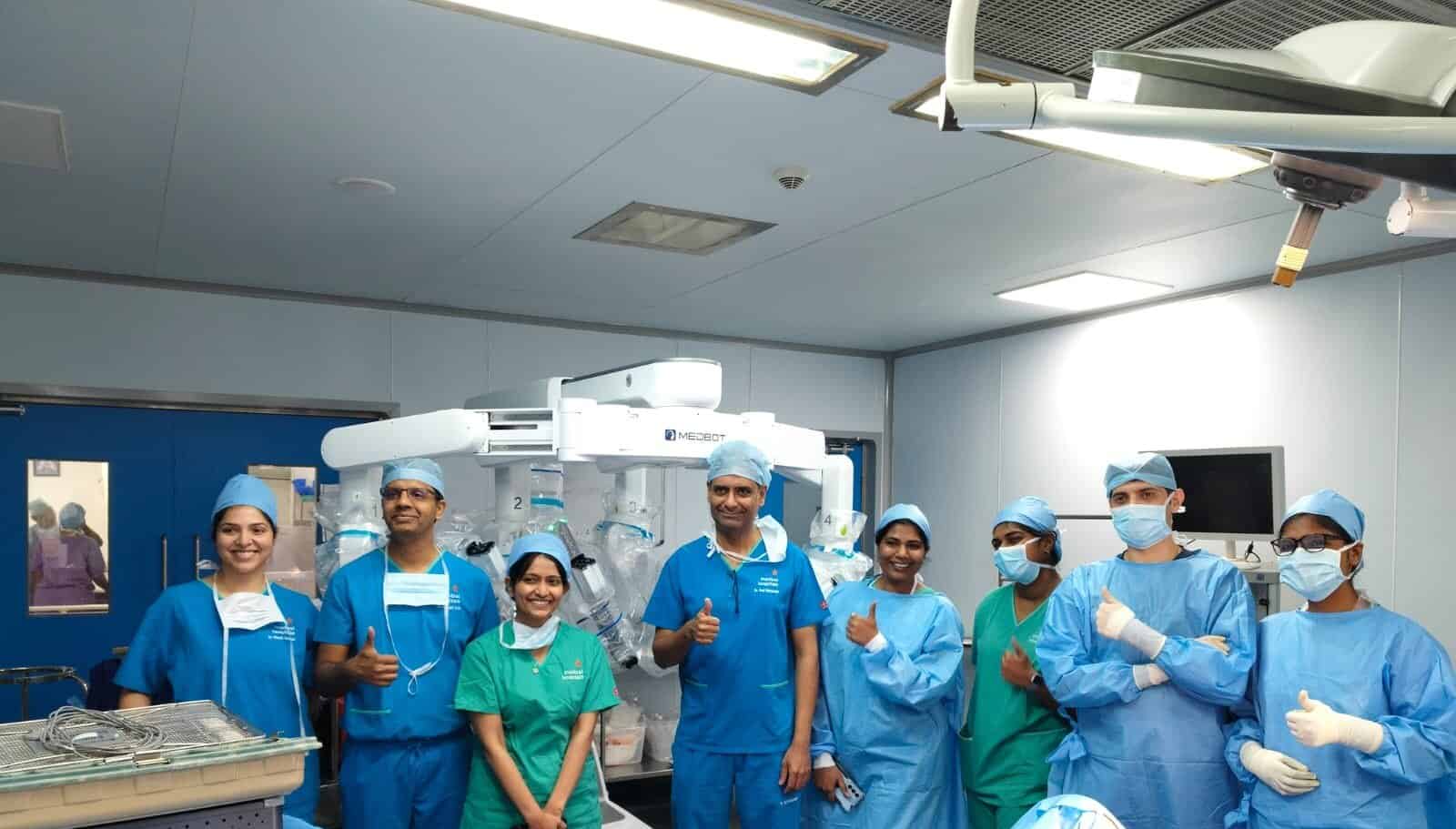
The surgical options range from limited removal to complex pelvic surgery. Not every option is suitable for every patient.
Wide local excision
The tumor is removed with a margin of healthy-looking tissue. This may suit a very small, superficial and favorably located lesion.
Partial vaginectomy
Only the part of the vagina containing the cancer is removed. When cancer control is not compromised, this can preserve more vaginal tissue and function.
Total or radical vaginectomy
Most or all of the vagina and some surrounding tissue may need removal for a larger or deeper cancer. Reconstruction using tissue from elsewhere in the body may be possible and requires discussion about healing, sexual function and expectations.
Surgery involving the uterus or nearby organs
Selected upper-vaginal cancers may require removal of the uterus and cervix with part of the vagina. Involvement of the bladder, urethra or rectum may require a more extensive operation after multidisciplinary review.
Lymph-node assessment or removal
Tumor location influences which lymph nodes are at risk. Upper-vaginal cancers generally drain towards pelvic nodes, while lower-vaginal cancers may drain towards groin nodes. Imaging, stage and the planned treatment guide whether nodes need sampling, removal or radiation.
Pelvic exenteration
This major operation removes multiple pelvic organs and is reserved for a small, carefully selected group, commonly when cancer has returned or persisted without distant spread. Urinary or bowel diversion may be required.
My priority is complete cancer removal with clear margins while preserving organs and function whenever oncologically safe.

Patients often ask whether vaginal cancer surgery in Bangalore can be performed robotically or laparoscopically. The answer depends on what needs to be removed.
Robotic cancer surgery or laparoscopic cancer surgery may be considered for selected pelvic procedures, such as removal of the uterus, assessment of pelvic lymph nodes or parts of a carefully planned combined operation. These approaches use small abdominal incisions and may offer less wound pain and earlier mobility in suitable patients.
However, the vaginal portion of the operation may still be performed through the vagina, and some tumors require an open abdominal or perineal approach.
Open cancer surgery remains appropriate when the tumor is large, involves nearby organs, creates complex reconstructive needs, or when direct access will make the operation safer and more complete.
Minimally invasive cancer surgery is not automatically better for every patient. I choose an approach only after considering tumor clearance, previous operations or radiation, the need for reconstruction, operating time and the patient’s overall fitness.
If an open operation offers the safest path to complete removal, that is the right approach. If minimally invasive access can achieve the same cancer objective safely, it may be considered.

Before surgery, I review the planned operation with the patient and family, including which organs may be affected, whether lymph nodes will be assessed and whether reconstruction, a urinary diversion or a bowel stoma is a possibility.
If fertility, menopause or sexual function is a concern, please raise it early so that appropriate counselling can be arranged before treatment.
The preoperative assessment may include blood tests, heart and lung evaluation, review of medicines, nutritional support and anesthesia consultation. Smoking cessation, good diabetes control, adequate protein intake and regular gentle activity can improve readiness. You will receive instructions about fasting, bowel preparation if required and which medicines to stop or continue.
Hospital stay varies widely. A local excision may require a short stay, while vaginectomy, reconstruction or surgery involving nearby organs needs longer monitoring. Pain relief, early mobilization, blood-clot prevention and gradual return to food are part of recovery. Catheters, drains or a stoma may be temporary or permanent.
At home, you will receive guidance about wound care, activity, pelvic rest, diet, bowel function and warning signs. The Recovery After Cancer Surgery page can help you prepare for the broader process.
The final pathology report usually provides the exact tumor type, depth, margins and any lymph-node findings. I discuss these results with you and explain whether surveillance alone or additional radiation or chemotherapy should be considered.
Follow-up also addresses urinary, bowel, vaginal and sexual health rather than looking only for recurrence.

There is no single fixed price for vaginal cancer surgery because it covers operations of very different scales, from local excision to complex multiorgan surgery with reconstruction.
The cost may be influenced by:
After reviewing the biopsy and scans, I can outline the likely procedure. The hospital can then provide a case-specific estimate and explain the inclusions. Insurance coverage should be checked with the hospital and insurer.
I would not advise choosing treatment solely from an initial price quotation. First, confirm that the diagnosis, stage and operation are correct. A smaller operation is not safer if it leaves cancer behind, and a larger operation should not be performed when radiation or a less extensive option is more appropriate.

I currently consult at:
These centers provide access to comprehensive cancer care within a well-equipped hospital environment, supporting multidisciplinary treatment, investigations, and post-operative care when required.
Consultation timings and appointment details can be arranged through phone or WhatsApp for convenience.

This page has been written and medically reviewed under the guidance of Dr. Suraj Manjunath, Senior Surgical Oncologist at Apollo Hospitals, Bannerghatta Road, Bangalore.
The information has been reviewed for medical accuracy, patient clarity, and relevance to cancer surgery decision-making. Cancer treatment is always personalized and depends on factors such as the type of cancer, stage or spread of disease, overall health, co-morbidities, test results, and treatment goals.
The information is meant for patient education and should not replace an in-person consultation, diagnosis or personalized treatment plan.
Consultation Locations: Apollo Hospitals, Bannerghatta Road & Sarjapur Road, Bangalore.
Last reviewed: September 2026
