
Dr Suraj Manjunath, a senior Surgical Oncologist at Apollo Hospitals, provides cervical lymph node metastases of unknown origin (MUO) treatment in Bangalore. Treatment begins with a detailed evaluation to identify the possible primary cancer and may include neck dissection, transoral robotic surgery, radiation, chemotherapy, or a combination, depending on the biopsy findings, lymph node involvement, and stage of the disease.


Lymph nodes are small structures that form part of the immune system. Many groups of lymph nodes are present on both sides of the neck.
When a cancer begins in the mouth, throat, tonsil, tongue base, voice box, nasopharynx, thyroid, salivary gland, skin, or another organ, cancer cells may travel through lymphatic channels and collect in a neck lymph node.
Sometimes, a biopsy confirms cancer in the lymph node even though the original tumor cannot be found after the first round of tests. This is known as cervical lymph node metastasis from an unknown primary.
The word “cervical” in this diagnosis refers to the neck. It should not be confused with cancer of the cervix in women.
Most cases involving the upper or middle neck are squamous cell cancers, which often originate in the lining of the mouth or throat. A lymph node low in the neck or above the collarbone may occasionally represent cancer from the thyroid, lung, esophagus, breast, gastrointestinal tract, or another organ. The pathology therefore matters greatly.
Tests for human papillomavirus, usually through a marker called p16, may suggest an origin in the tonsil or base of the tongue. Epstein-Barr virus testing may point toward the nasopharynx. These results can guide further investigation, staging, and treatment.
Specialist evaluation is important because treatment must address both the involved lymph nodes and the area where the primary cancer is most likely to be located.

Finding cancer cells in a lymph node in the neck can be worrying, particularly when scans and examinations have not yet identified where the cancer began.
I am Dr. Suraj Manjunath, a Surgical Oncologist in Bangalore, associated with Apollo Hospitals, Bannerghatta Road and Apollo Hospitals, Sarjapur Road.
This condition is commonly called cervical lymph node metastasis from an unknown primary. It may also be described as cervical lymph node metastases of unknown origin, metastatic neck cancer with an occult primary, or cancer of unknown primary involving the neck.
“Occult” simply means hidden or not yet detectable.
In many patients, the cancer may have begun in a very small area of the tonsil, base of the tongue, throat, voice box, nasopharynx, thyroid, skin, or another nearby structure. The original tumor may be too small to be detected during the initial examination or scan.
Being unable to see the primary tumor immediately does not mean that treatment cannot begin. Modern imaging, detailed pathology, viral testing, examination under anesthesia, and carefully selected surgical procedures can often provide further answers.
As a Cervical lymph node metastases of unknown origin (MUO) Surgeon in Bangalore, my first priority is to confirm the diagnosis, look carefully for the hidden primary cancer, understand the extent of lymph node involvement, and determine whether surgery, radiation, chemotherapy, or a combination of treatments offers the most appropriate path forward.
This page will help you understand the condition, diagnosis, treatment options, surgery, reconstruction, recovery, and the factors influencing the cost of treatment.

+

+

+

+

The most common presentation is a lump on one side of the neck. It may be painless and may remain present even after antibiotics or other treatment for a suspected infection.
Possible symptoms include:
Some patients have no throat, mouth, or voice-related symptoms. The neck swelling may be discovered during a routine examination or scan performed for another reason.
Not every neck lump is cancer. Infections, tuberculosis, inflammatory conditions, and benign growths can also cause enlarged lymph nodes. However, an adult with a persistent or enlarging neck lump should not delay specialist evaluation.

Diagnosis is usually completed in several steps. Not every patient needs every investigation. I select tests according to the location of the lymph node, biopsy findings, symptoms, and previous reports.
The mouth, tongue, tonsils, throat, nose, skin, salivary glands, thyroid, and neck are examined carefully. A flexible camera may be used to inspect areas deeper in the nose and throat.
An ultrasound helps assess the size and appearance of the lymph node. An ultrasound-guided fine-needle aspiration or core needle biopsy can obtain cells or tissue for examination.
An open surgical biopsy of the neck lump is usually not the first investigation unless it has been specifically planned by the treating cancer team. An unplanned procedure can sometimes make later surgery or radiation planning more difficult.
The pathologist determines the type of cancer. Most upper-neck unknown primary cancers are squamous cell carcinomas, but lymphoma, thyroid cancer, salivary cancer, melanoma, adenocarcinoma, and other cancers must be considered.
Additional tests may include p16 or HPV testing, Epstein-Barr virus testing, and other markers selected according to the biopsy findings.
A contrast-enhanced CT scan or MRI can assess the lymph nodes and look for a primary tumor in the head and neck.
A PET-CT scan may identify a small hidden primary, show whether other lymph nodes are involved, and check for disease elsewhere in the body. PET-CT is particularly useful in the evaluation of cervical lymph node metastases when a head-and-neck primary is suspected.
If the primary remains hidden, the throat may be examined under anesthesia. Suspicious areas can be biopsied. Depending on the case, the evaluation may include removal of one or both tonsils or removal of a thin layer of tissue from the base of the tongue.
Transoral robotic surgery may help examine and remove tissue from areas that are difficult to access through the mouth.
Once the investigations are complete, the disease is staged according to the number, size, location, and characteristics of the involved lymph nodes. HPV and Epstein-Barr virus results may also influence how the disease is staged.
Blood tests, heart and lung assessment, nutrition evaluation, and an anesthesia review help determine whether the patient is fit for surgery.
Once the evaluation is complete, the case should be discussed by a multidisciplinary cancer team.
This may include a surgical oncologist, head-and-neck surgeon, radiation oncologist, medical oncologist, radiologist, pathologist, nuclear medicine specialist, and rehabilitation team.


Treatment options recognized for cervical lymph node cancer of an unknown primary include surgery to remove the lymph nodes, radiation, and combinations of these treatments. Tonsil surgery may also form part of the search for and treatment of the hidden primary.
Ask for a multidisciplinary treatment plan that explains the purpose and sequence of every recommended treatment.
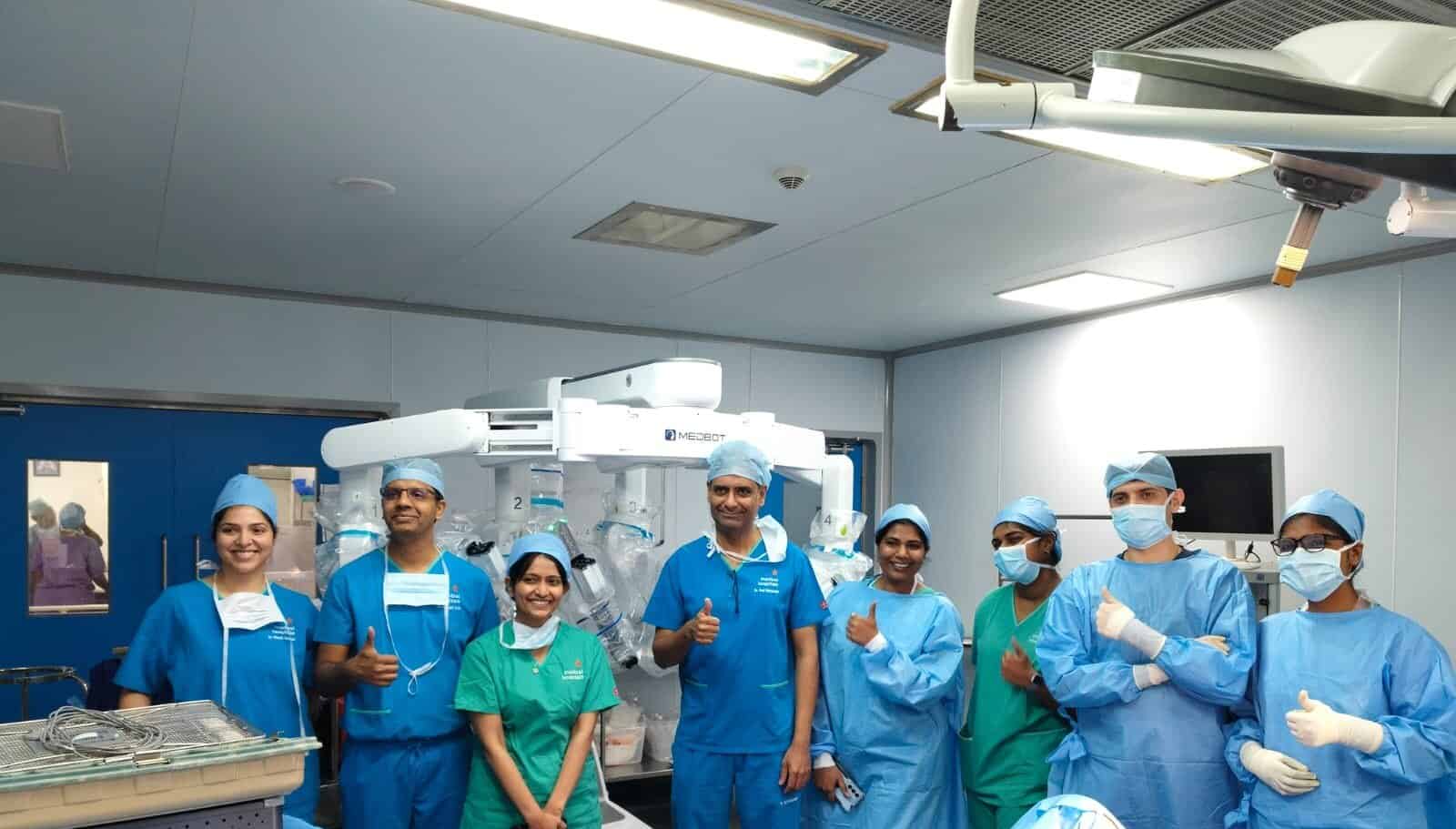
The main surgical procedures include:
Only the groups of lymph nodes most likely to contain cancer are removed. Important muscles, nerves, and blood vessels are preserved whenever it is oncologically safe.
More lymph node groups are removed, but one or more important non-lymphatic structures may be preserved if they are not affected by cancer.
This is a more extensive operation. It may be necessary when cancer involves structures close to the lymph nodes. It is performed only when the disease requires this level of clearance.
One or both tonsils may be removed because very small tonsil cancers can remain hidden during examination and imaging.
A thin layer of tissue is removed from the base of the tongue and examined by the pathologist. This may locate a small HPV-associated cancer that was not visible on a scan.
If the diagnostic procedure finds the original cancer, it may sometimes be removed during the same operation. In other cases, the result is used to plan a separate operation or radiation treatment.
The aim is to remove the cancer while preserving speech, swallowing, shoulder movement, appearance, and other important functions as far as safely possible.
Organ preservation does not mean performing the smallest procedure in every case. It means choosing a treatment that controls the cancer while avoiding unnecessary loss of function.

Patients often ask whether robotic or laparoscopic surgery is possible. For this condition, the answer depends on which part of the operation is being discussed.
Transoral robotic surgery may be used through the mouth to examine the tonsil and base of the tongue, remove suspicious tissue, or treat a small primary tumor in a suitable location.
Robotic surgery may improve access to certain hidden areas without requiring a large external incision. However, it is not appropriate for every patient, and it does not usually replace the neck dissection needed to remove affected cervical lymph nodes.
You can read more under Robotic Cancer Surgery.
Laparoscopic surgery is mainly used for operations in the abdomen and pelvis. It is generally not used to perform a standard cervical lymph node dissection because the neck has different anatomy.
If investigations suggest that the neck node originated from an organ in the chest, abdomen, or pelvis, laparoscopic surgery may become relevant to treatment of that identified primary cancer.
Learn more about Laparoscopic Cancer Surgery and how it is used for appropriate cancers.
Neck dissection is generally performed through a carefully planned incision in the neck. This open approach provides direct access to the lymph nodes and allows the surgeon to identify and protect important nerves, muscles, and blood vessels wherever possible.
Open surgery is not an inferior choice. For many cervical lymph node operations, it is the established and safest approach.
More information is available under Open Cancer Surgery and Minimally Invasive Cancer Surgery.

Before surgery, I will explain the planned procedure, its purpose, expected benefits, possible risks, and whether further treatment may be needed.
Preparation may include:
After a neck dissection, patients usually have one or more temporary drainage tubes. Pain is managed with medication, and patients are encouraged to begin walking and taking appropriate food as soon as it is safe.
The hospital stay depends on the extent of surgery, associated procedures, medical condition, and early recovery. Some patients can leave the hospital within a few days, while those having a more extensive operation may require a longer stay.
Temporary neck numbness, tightness, swallowing discomfort, or shoulder weakness can occur. Physiotherapy and shoulder exercises are important, especially when surgery has been performed close to the spinal accessory nerve, which helps control shoulder movement.
The final pathology report provides essential information about:
This report helps the multidisciplinary team decide whether observation, radiation, or chemoradiation should follow surgery.
Recovery is gradual. My team guides patients and families through wound care, diet, activity, shoulder rehabilitation, pathology discussion, and follow-up. You may also read Recovery After Cancer Surgery for general recovery guidance.

It is understandable that patients and families want to know the likely treatment cost before making arrangements.
I do not recommend giving a single standard price because Cervical lymph node metastases of unknown origin (MUO) Surgery in Bangalore may involve different procedures for different patients.
The cost may be affected by:
Radiation, chemotherapy, immunotherapy, follow-up scans, and rehabilitation are separate components of treatment and should not be assumed to be included in the surgical estimate.
After examining the patient and reviewing the reports, the team can define the proposed operation and help obtain a hospital estimate. Patients using insurance should check room eligibility, preauthorization requirements, exclusions, and coverage limits.

I currently consult at:
These centers provide access to comprehensive cancer care within a well-equipped hospital environment, supporting multidisciplinary treatment, investigations, and post-operative care when required.
Consultation timings and appointment details can be arranged through phone or WhatsApp for convenience.

This page has been written and medically reviewed under the guidance of Dr. Suraj Manjunath, Senior Surgical Oncologist at Apollo Hospitals, Bannerghatta Road, Bangalore.
The information has been reviewed for medical accuracy, patient clarity, and relevance to cancer surgery decision-making. Cancer treatment is always personalized and depends on factors such as the type of cancer, stage or spread of disease, overall health, co-morbidities, test results, and treatment goals.
The information is meant for patient education and should not replace an in-person consultation, diagnosis or personalized treatment plan.
Consultation Locations: Apollo Hospitals, Bannerghatta Road & Sarjapur Road, Bangalore.
Last reviewed: September 2026
