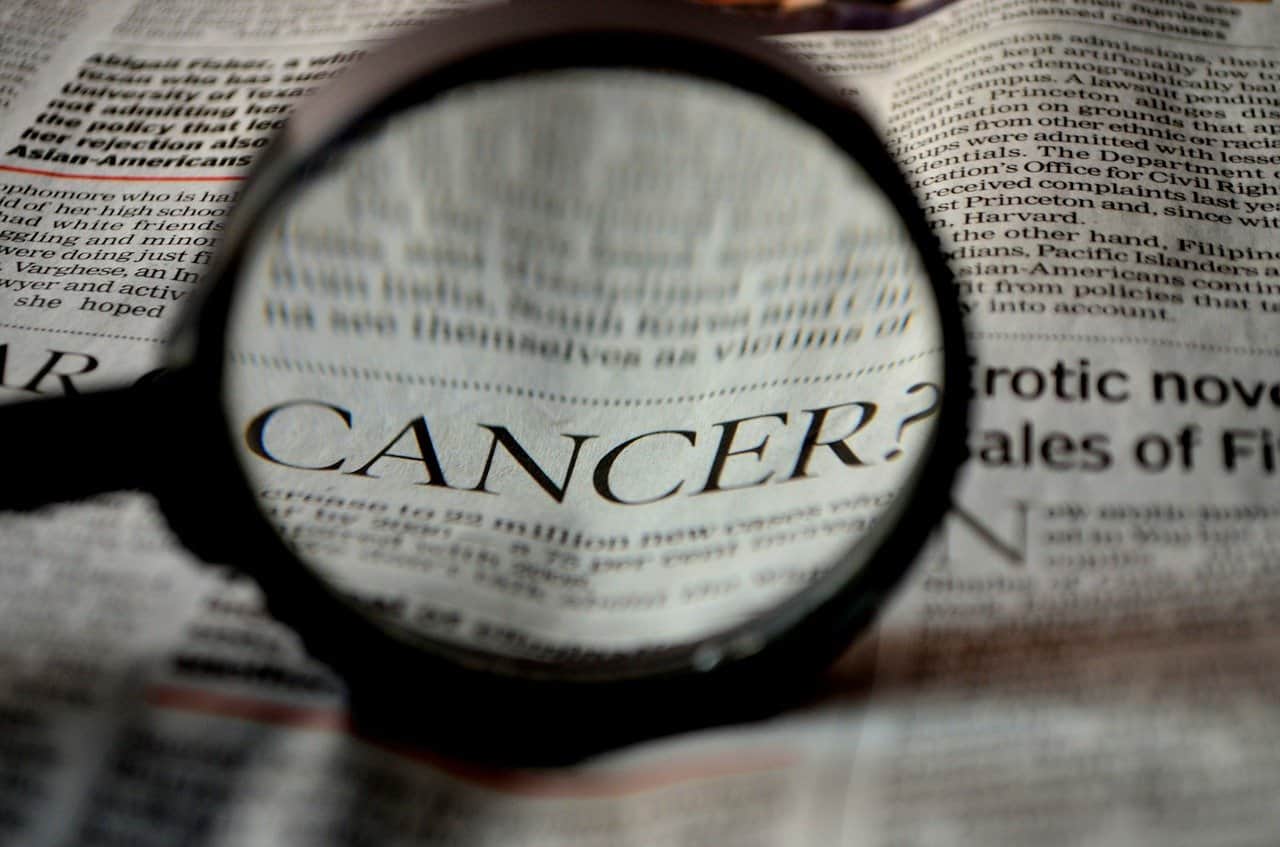
Why Is Cancer Called “Cancer”? And Why Do “Oncologists” Treat It?
This is a short article that discusses the meaning and etymology of the term “cancer”.

This is a short article that discusses the meaning and etymology of the term “cancer”.
Cure rates for cancer are better now than ever before. In spite of this, cancer can recur. This article discusses why and how cancer sometimes comes back even after potentially curative treatment.

A major cause of cancer is tobacco use. This article shares useful tips and techniques to help give up the habit of smoking.

One-third of smokers who develop cancer quit smoking after their diagnosis.1 Why does it take a crisis of this magnitude to make them stop? This article throws light on why a simple awareness of risk may not be enough to make a smoker quit.

All tumors are not cancer. Some cancers are not tumors. This article focuses on the different terminologies in oncology, and how awareness of the various terms prevents misconceptions.

The family members of people with cancer commonly worry about the possibility of getting cancer themselves. This article discusses the concept of “relative risk”, and how most individuals with a family history of cancer actually have a lower chance than they think.
It is challenging to break the news that someone has cancer. The three key players in this process are the patient, the doctor, and the patient’s family. This article discusses the critical aspects that the family, as well as the doctor, should consider during the process of disclosing a diagnosis of cancer.

This article discusses how to make the best use of a second opinion in cancer care. A second opinion is defined as seeking an independent opinion on either diagnosis or treatment by an expert in the same field as the specialist who gave the initial opinion.1 While there are other sources of information for people […]

This post discusses the surgical options for a woman with breast cancer – organ conservation vis a vis mastectomy, and how to make the choice appropriate for each woman.
Chance Of Getting Cancer – How To Estimate Your Risk
The family members of people with cancer commonly worry about the possibility of getting cancer themselves. This article discusses the concept of “relative risk”, and how most individuals with a family history of cancer actually have a lower chance than they think.
Disclosing The Diagnosis Of Cancer: Five Critical Considerations
It is challenging to break the news that someone has cancer. The three key players in this process are the patient, the doctor, and the patient’s family. This article discusses the critical aspects that the family, as well as the doctor, should consider during the process of disclosing a diagnosis of cancer.
Second Opinion In Cancer Care – Making It A Constructive Process
This article discusses how to make the best use of a second opinion in cancer care. A second opinion is defined as seeking an independent opinion on either diagnosis or treatment by an expert in the same field as the specialist who gave the initial opinion.1 While there are other sources of information for people […]